
The freight bill is the smallest number on the page.
A late delivery costs the crew that waits, the equipment booked twice and the date that moves. None of that is in the freight rate.
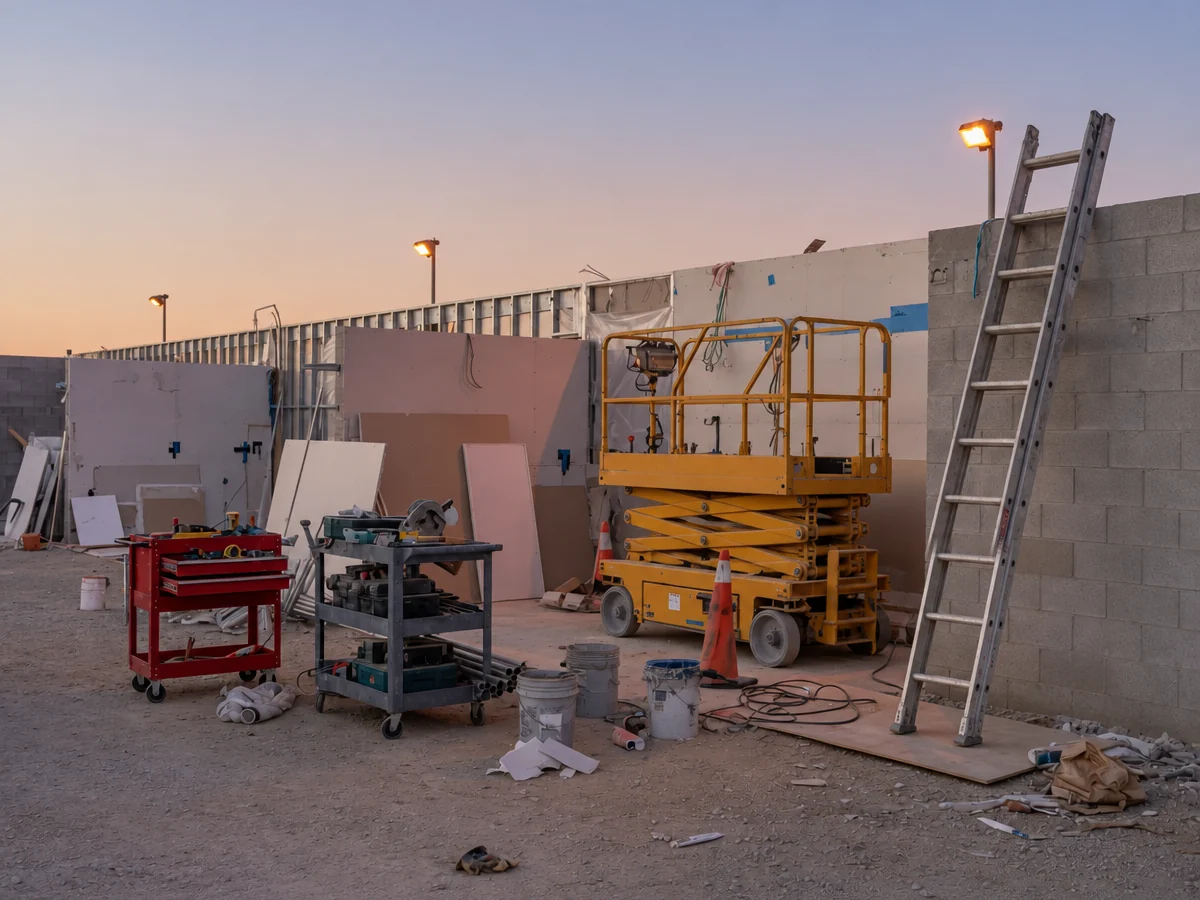
Sound familiar?
- A crew stood idle, and the invoice came anyway.
- The freight rate was low. The miss wasn't.
- Nobody could say what the last miss actually cost.
- Leadership asked why the cheaper option cost more.
What one miss actually costs.
- The crew: people on the clock with nothing to install.
- Equipment and contractors: cranes, lifts, riggers and standby.
- Rescheduling: a second trip, a second booking, a second window.
- Recovery: expedited freight to make up the time.
- Penalties: chargebacks or contract penalties, where they apply.
- The date: a reopening, go-live or energization that moves, and the work behind it.
On one program Graham runs, the contractor bills for the crew's time whether the equipment shows up or not.
Why the cheapest truck can cost the most.
Your cheapest truck can become your most expensive supplier.
A rate that saves a few hundred dollars per shipment doesn't help if one missed delivery costs a crew-day. The number that matters is the cost of a miss times how often it happens.
Put your own numbers on it.
The Late Delivery Cost Calculator uses only the numbers you enter. It shows the cost of one miss, your expected annual loss and what one point of reliability is worth.
Graham doesn't cover the cost of a miss. The calculator measures your exposure so you can decide what reliability is worth.
Bring the number to a conversation.
Tell us about the project, the date and what a miss would cost. We'll get back to you within 2 hours during business hours, 8 a.m. to 5 p.m. Central.